 Shell
Wind-resistant layers
Check the intended use, closure design, ventilation and compatibility with other layers. A shell’s stated performance depends on proper care and condition.
Wind can affect comfort, balance, visibility and loose equipment. The safest preparation begins with current local alerts and a plan to avoid exposed places when conditions call for it.

A wind-resistant layer can reduce discomfort and help keep other clothing protected, but it does not make a hazardous route safe. Storms can bring rapidly changing conditions, falling debris, poor visibility or other dangers. Follow official warnings and choose shelter or a safer plan when advised.
Secure items before travel and avoid assuming that a familiar route will remain passable.
ShellCheck the intended use, closure design, ventilation and compatibility with other layers. A shell’s stated performance depends on proper care and condition.
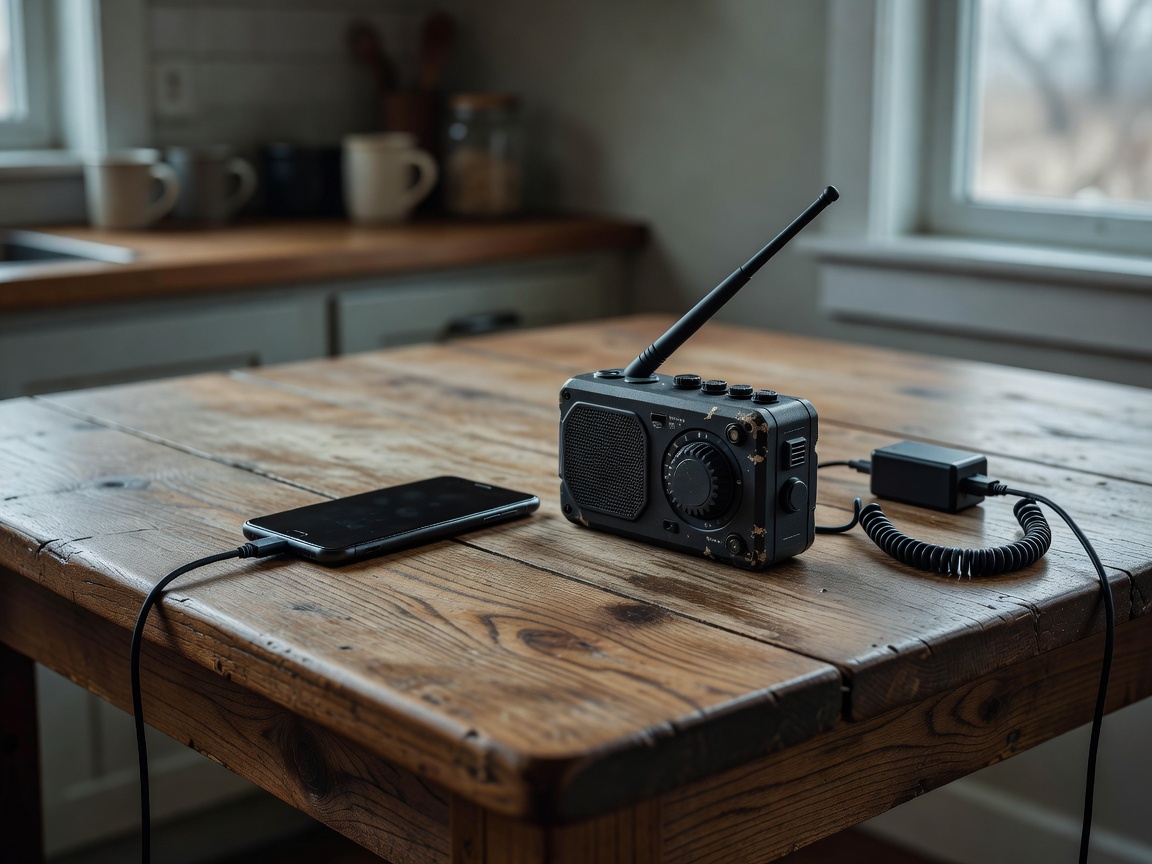 Updates
Use reliable local alert channels and keep devices charged when practical. A device cannot guarantee a signal or power supply in every location.
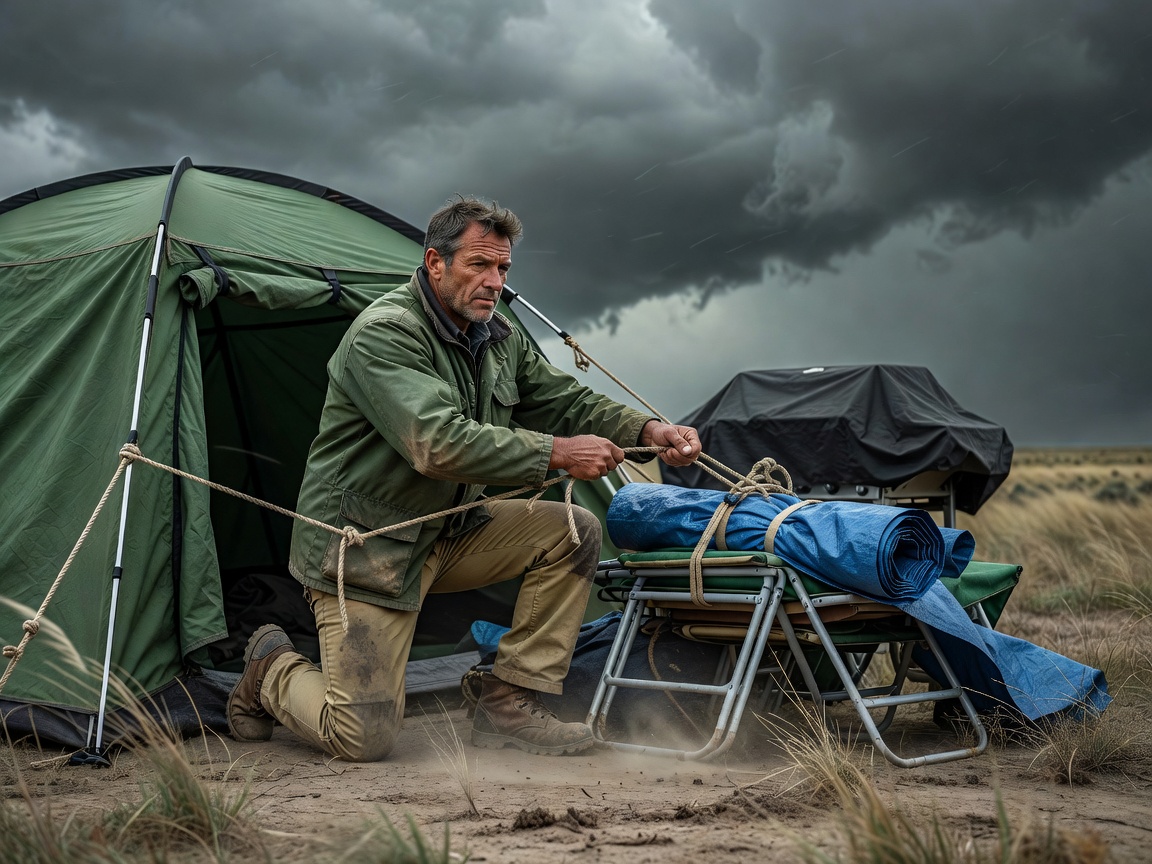 Secure
Bring in or secure loose belongings according to local guidance. Do not approach unstable structures or hazards to retrieve equipment.
A short, sheltered journey differs from time on an open ridge, coast or worksite. Review route exposure, nearby shelter and the time needed to leave. If a warning is in effect, follow the issuing authority’s instructions rather than relying on clothing or a forecast app alone.
| Plan element | Check | When to change course |
|---|---|---|
| Outerwear | Fit, closures, hood retention and stated intended use. | When weather exceeds the garment’s specified limits or safe travel is in doubt. |
| Route | Exposed sections, shelter options and exit points. | When alerts, closures or deteriorating conditions advise against travel. |
| Equipment | Loose parts, secure carry and battery status. | When safe handling or reliable communication cannot be maintained. |
| Timing | Forecast changes and expected return time. | When the plan depends on conditions remaining unchanged. |
Safety note: This guide is not an alert service. Follow official instructions and emergency services guidance.
Your privacy choices
We use necessary cookies to run the site and, with your consent, optional ones to measure visits. You can change this at any time. More about cookies