 Coverage
Hats and sun-covering clothing
Brims and suitable coverage can reduce direct sun on covered areas. Check fit, ventilation, coverage and comfort; no garment removes the need to limit exposure.
Choose heat-related products by asking what they can change—shade, direct sun, ventilation or access to water—and how long you will be exposed. Equipment helps with preparation; it cannot make dangerous conditions safe.

Direct sunlight, hot surroundings, physical effort and limited recovery time can combine. A shaded rest point may matter more than an extra accessory. Check local heat alerts and workplace or activity-specific guidance before setting out.
Plan flexibility into the day: adjust timing, shorten the activity or stop if conditions or how you feel change. Follow official health advice for symptoms or urgent concerns.
CoverageBrims and suitable coverage can reduce direct sun on covered areas. Check fit, ventilation, coverage and comfort; no garment removes the need to limit exposure.
 Recovery
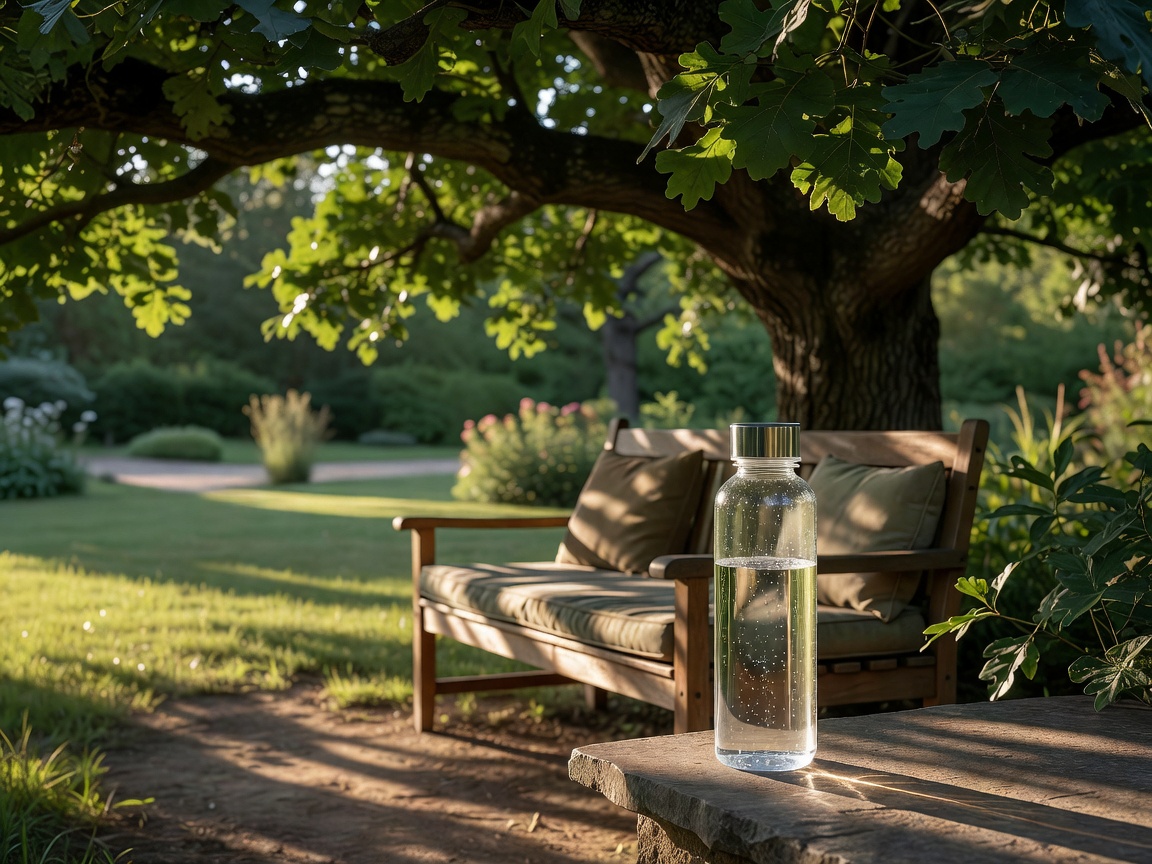
Plan where to rest and how to access drinking water appropriate to your activity. Carrying a bottle alone does not guarantee that your hydration needs are met.
 Comfort
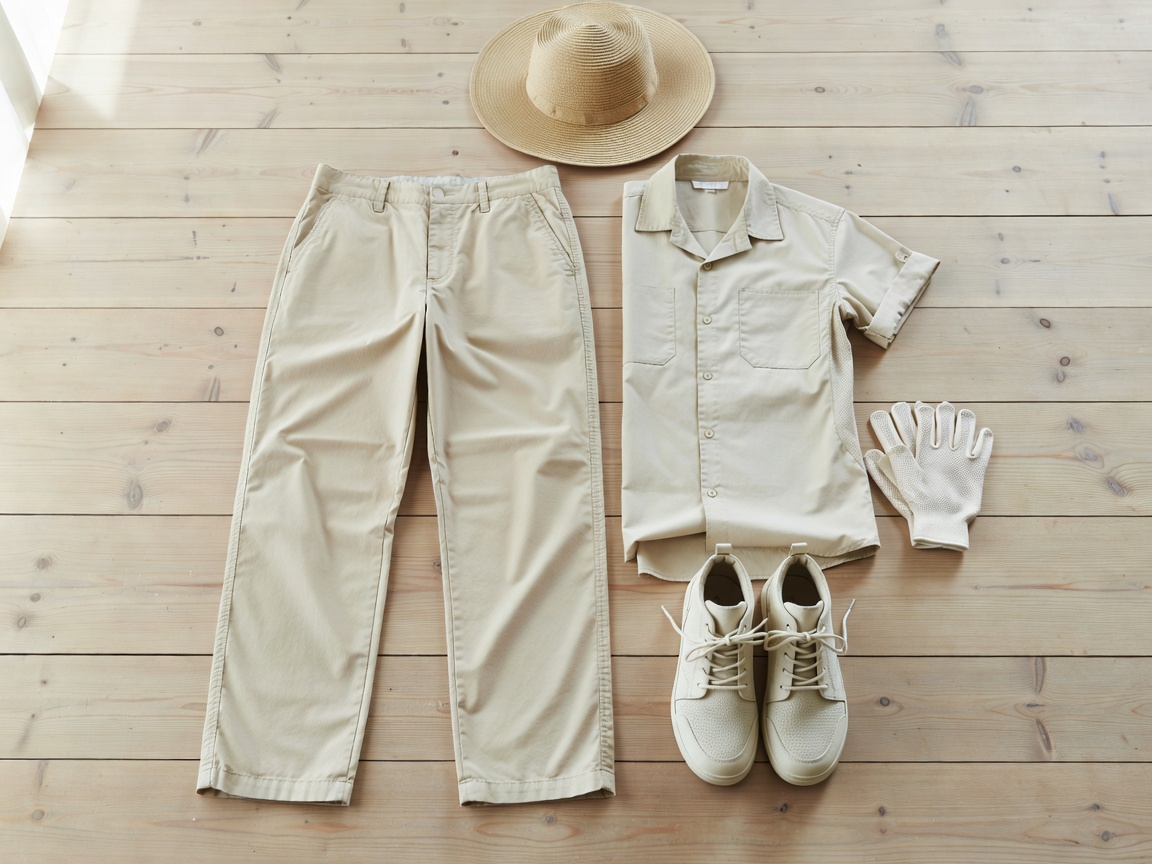
Fabric and cut affect ventilation and coverage. Check care labels and task requirements; protective work clothing may have specified performance needs.
A short walk near shade differs from a long shift in direct sun. For longer exposure, map shade and rest options in advance, identify water access and agree how activity can be paused or changed. For strenuous work, follow employer procedures and qualified safety guidance.
| Check | Why it matters | Practical limit |
|---|---|---|
| Forecast and alerts | Conditions can change through the day. | Use current local official guidance, not a product label alone. |
| Shade and breaks | Recovery opportunities shape how long exposure lasts. | Do not assume portable shade is available or suitable everywhere. |
| Clothing | Coverage and airflow affect comfort. | Follow required protective-clothing standards and instructions. |
| Water access | Needs vary by person and activity. | Do not treat a fixed container amount as universal medical advice. |
Safety note: This is general product information, not medical advice. Follow official heat guidance and seek professional help when needed.
Your privacy choices
We use necessary cookies to run the site and, with your consent, optional ones to measure visits. You can change this at any time. More about cookies