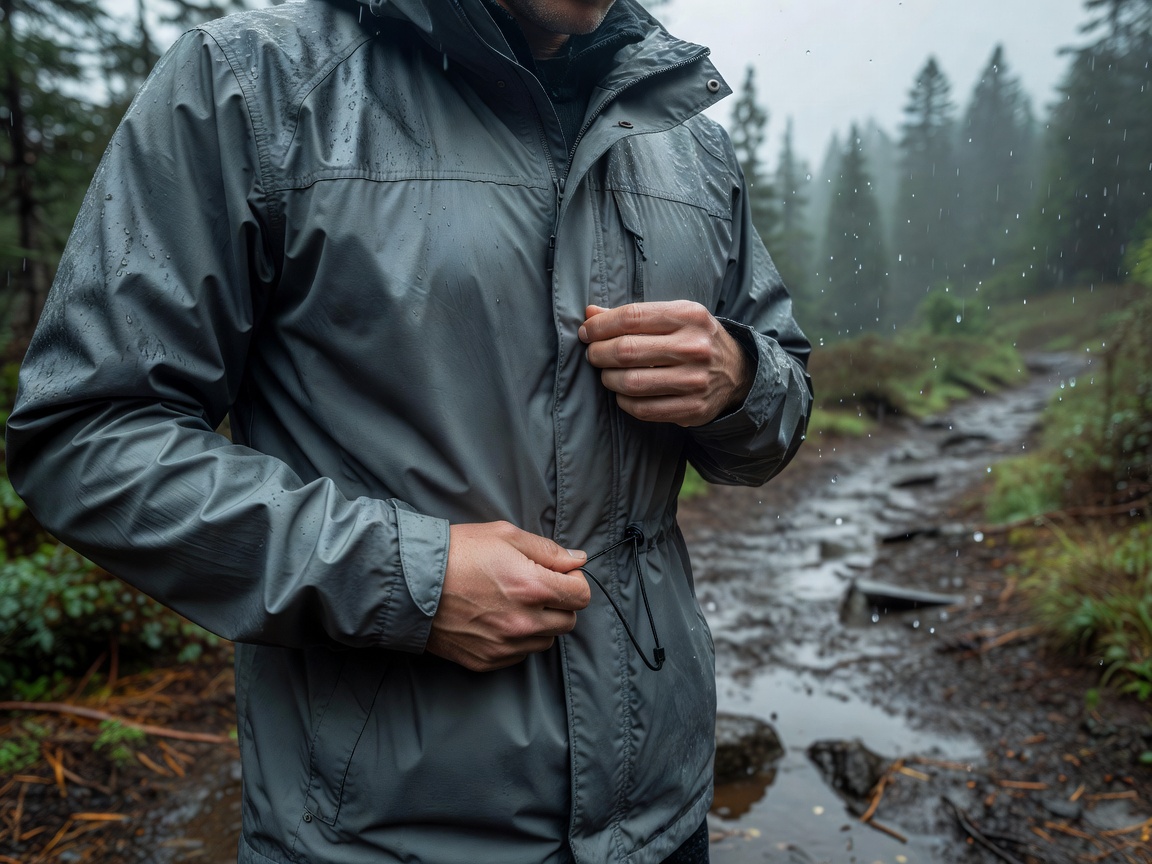
 Outer layer
Jackets and over-trousers
Review the intended use, care instructions, closures and ventilation. Waterproof claims have defined conditions and do not guarantee dryness in every situation.
Rainwear can help manage ordinary wet-weather exposure. Floodwater is a separate hazard: clothing, boots and portable equipment do not make it safe to enter.
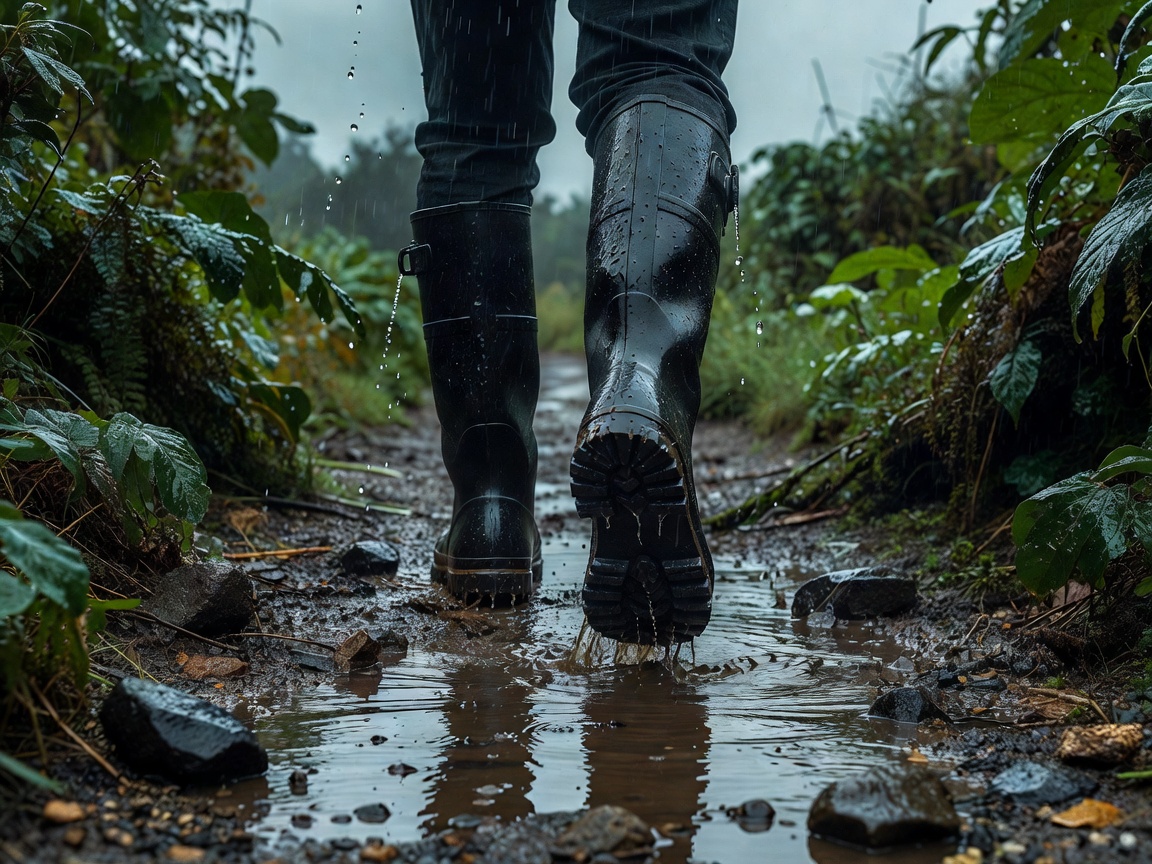
Jackets, over-trousers and footwear can help manage rain during suitable activities. Their performance varies with construction, wear, fit and exposure time. Water can enter through openings, seams or damaged materials, and prolonged wet conditions can affect comfort and mobility.
Never use rain gear as a reason to approach, cross or enter floodwater. Follow official warnings, road closures and evacuation directions.
Outer layerReview the intended use, care instructions, closures and ventilation. Waterproof claims have defined conditions and do not guarantee dryness in every situation.
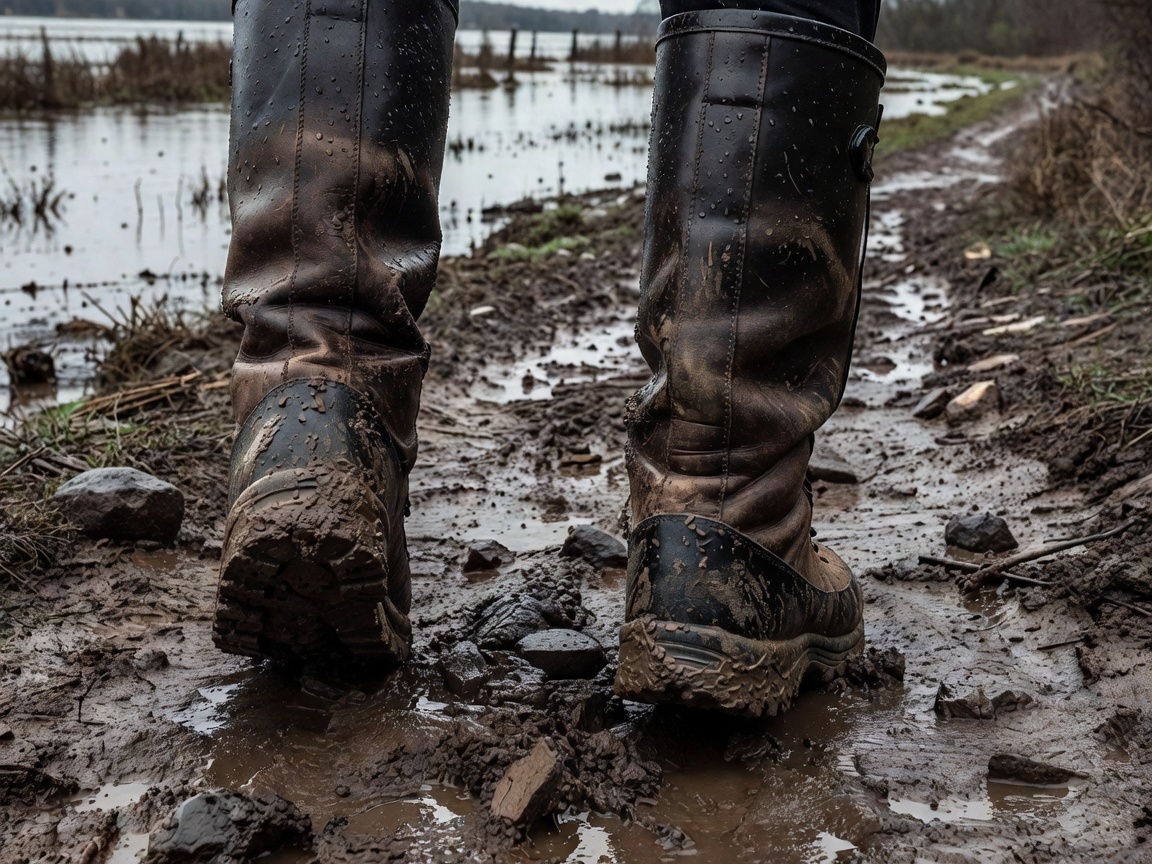 Footwear
Choose footwear for terrain and expected conditions. Wet soles, mud and debris can still reduce grip; no boot makes moving water safe.
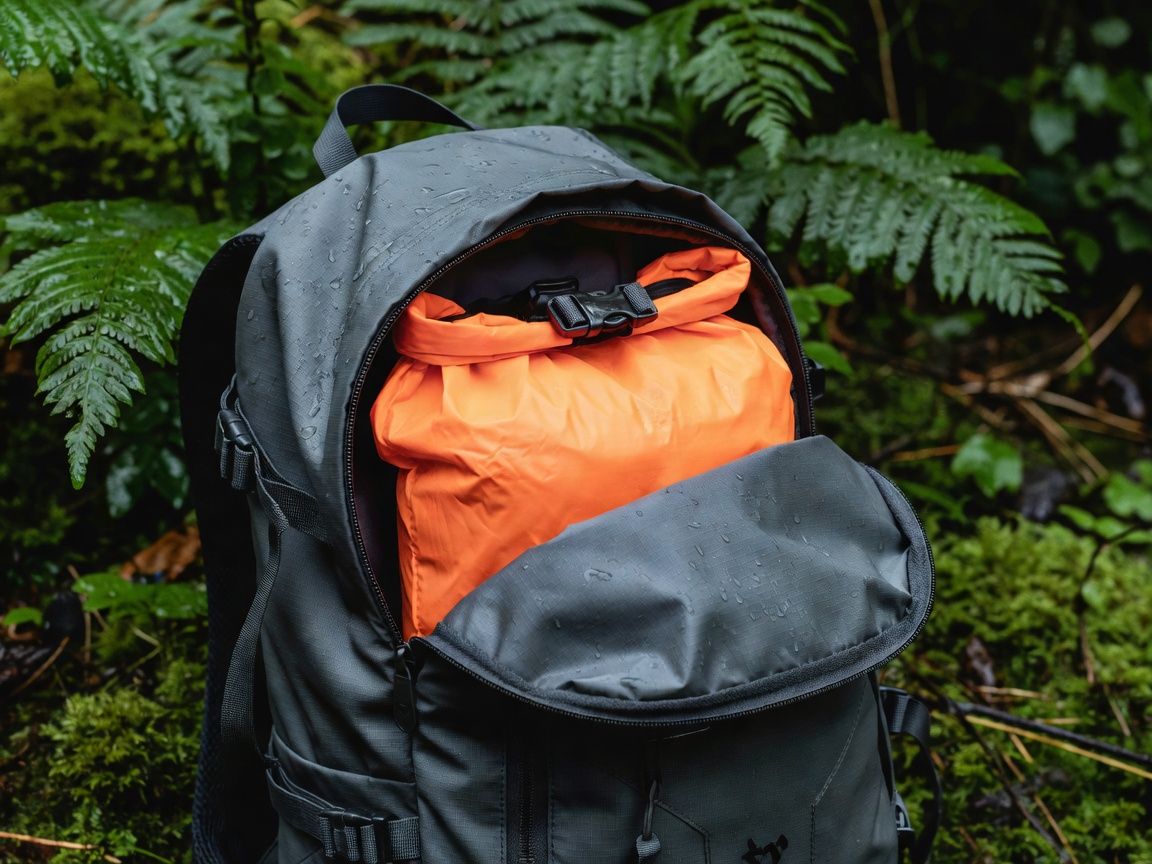 Storage
Suitable bags or cases can help protect important items from rain. Check seals and closures and keep emergency communication accessible.
| Product | May help with | Does not make safe |
|---|---|---|
| Rain jacket | Managing rain exposure within its intended use. | Entering floodwater or ignoring evacuation advice. |
| Water-resistant footwear | Some wet or muddy ground, depending on design. | Crossing moving water or unstable surfaces. |
| Dry bag | Keeping selected belongings drier in normal use. | Submerging equipment beyond its rating or relying on it as rescue gear. |
| Umbrella | Rain protection in suitable low-wind settings. | Protection from wind hazards, lightning or flooding. |
Important: Do not walk, swim or drive through floodwater. Follow emergency services and official local instructions.
Your privacy choices
We use necessary cookies to run the site and, with your consent, optional ones to measure visits. You can change this at any time. More about cookies