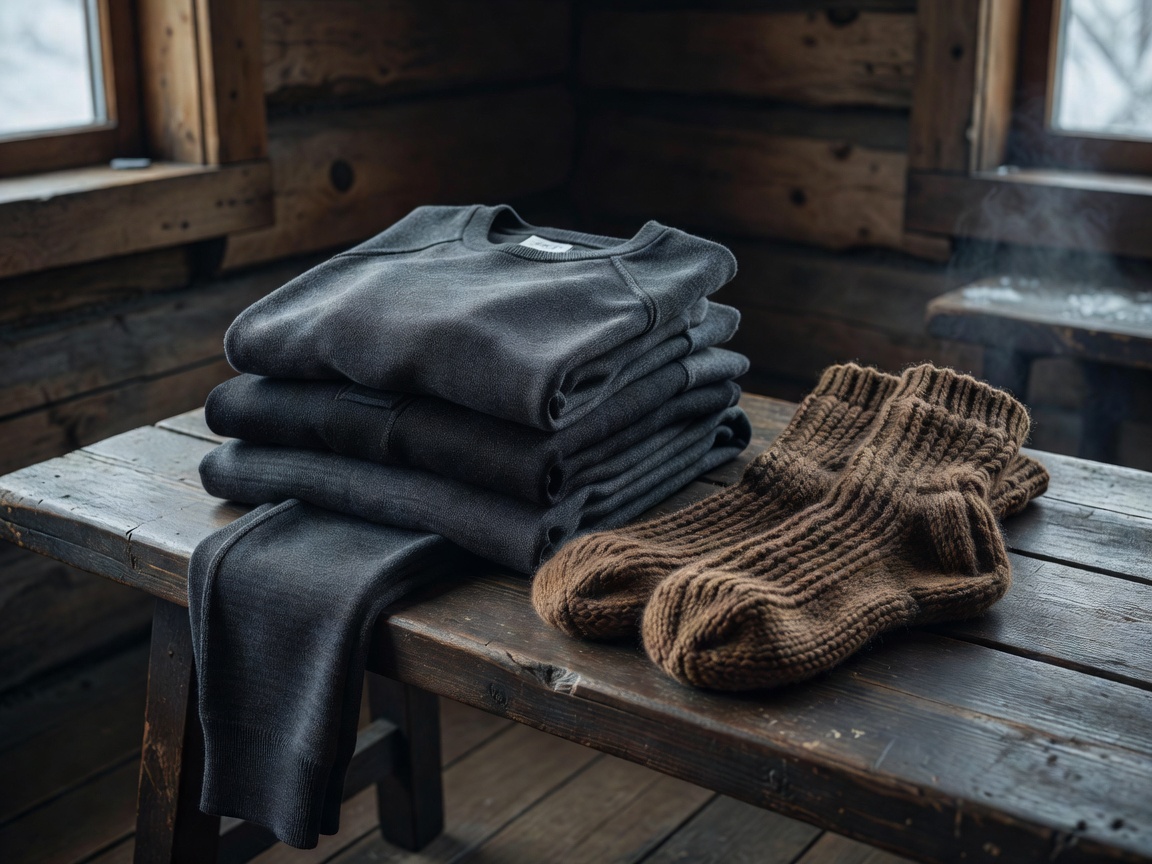
 Base
Next-to-skin layers
Choose comfortable layers appropriate to activity and care requirements. A damp layer may feel cold; no fabric eliminates the need to manage moisture and effort.
Cold-weather equipment works as a system. The right combination depends on temperature, wind, moisture, activity and how long you expect to be outside.
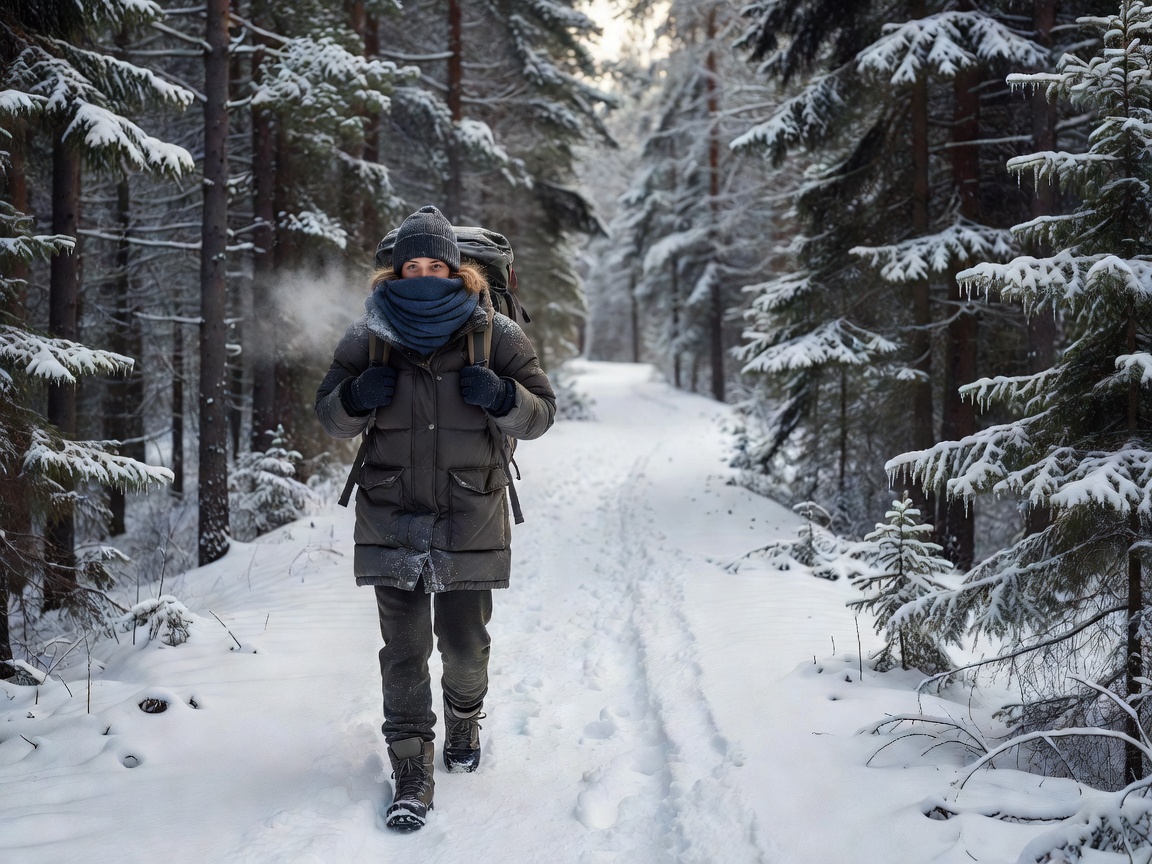
A base layer manages contact with the skin, insulation helps retain warmth and an outer layer can reduce wind or moisture exposure. These are broad roles, not guarantees: materials, fit, exertion and dampness all affect performance.
Make adjustments before clothing becomes soaked with sweat or water. Keep spare dry layers only where they can be stored safely and remain usable.
BaseChoose comfortable layers appropriate to activity and care requirements. A damp layer may feel cold; no fabric eliminates the need to manage moisture and effort.
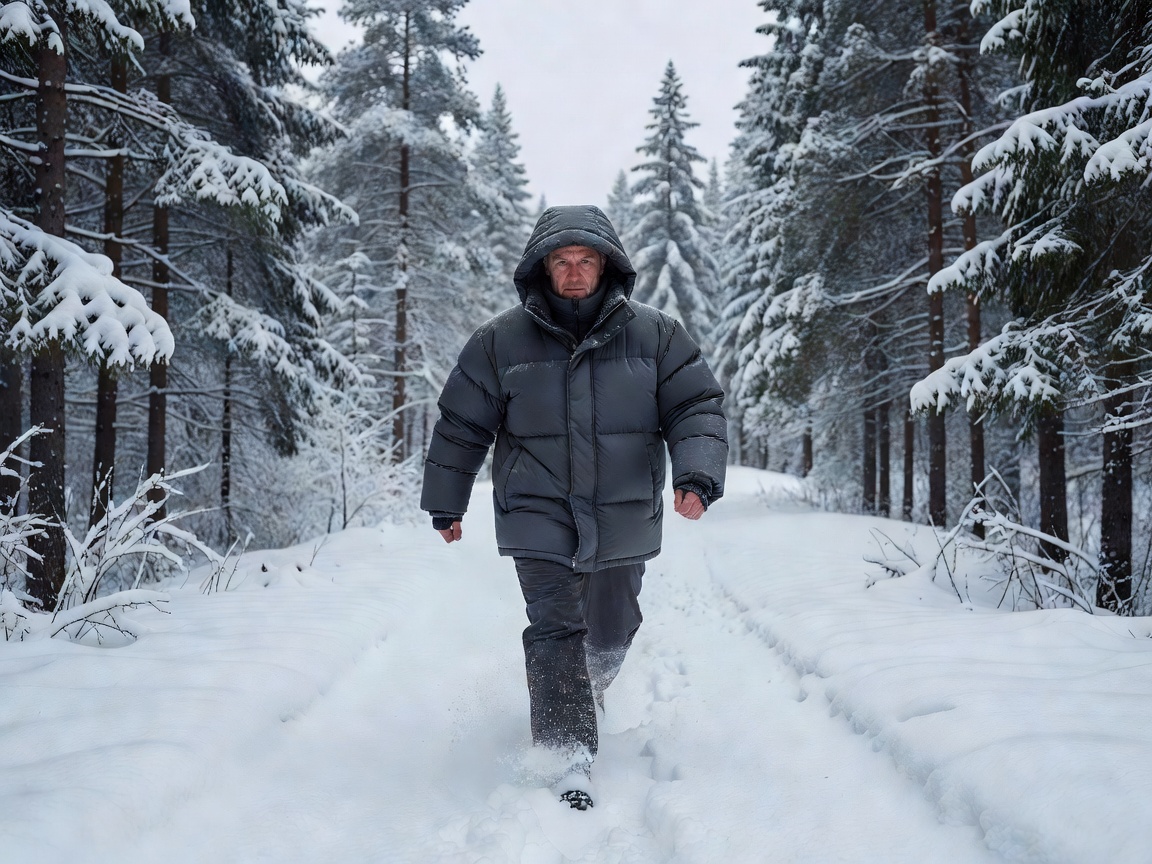 Warmth
Jackets, gloves, socks and head coverings can reduce heat loss in covered areas. Check sizing, mobility and compatibility with the activity.
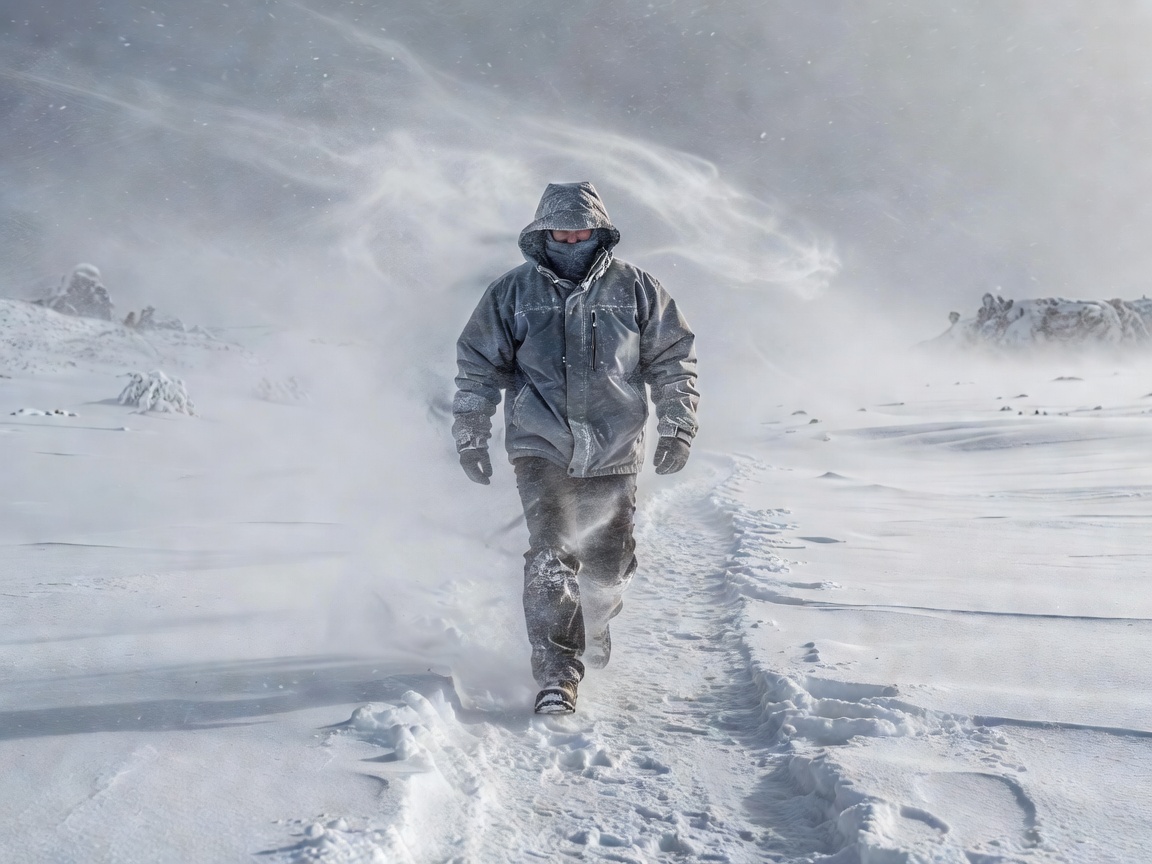 Shell
Outer layers may help block wind or precipitation. Breathability and weather resistance vary; inspect the product specification and care guidance.
For a short trip close to shelter, you may be able to return quickly if conditions worsen. A longer route needs more careful planning for weather changes, navigation, communication and dry replacement layers. Consider the least protected member of your group and the time it would take to reach a safe place.
| Product role | Check before use | Limit to remember |
|---|---|---|
| Insulating layer | Fit, condition and whether it stays dry. | Warmth depends on activity, wind, moisture and layering. |
| Outer shell | Closures, seams and manufacturer care instructions. | Weather protection is not unlimited or permanent. |
| Footwear | Grip, fit, dryness and suitability for terrain. | Traction aids do not make every surface safe. |
| Emergency items | Battery charge, accessibility and route relevance. | Carry items that fit the plan; do not rely on one device. |
Safety note: Product descriptions do not predict individual outcomes. Follow official cold-weather guidance and seek professional advice where appropriate.
Your privacy choices
We use necessary cookies to run the site and, with your consent, optional ones to measure visits. You can change this at any time. More about cookies